A Guide to Discovering the Best Assisted Living Near Me
Business Name: BeeHive Homes of Gallup
Address: 600 Gurley Ave, Gallup, NM 87301
Phone: (505) 591-7024
BeeHive Homes of Gallup
Beehive Homes of Gallup assisted living care is ideal for those who value their independence but require help with some of the activities of daily living. Residents enjoy 24-hour support, private bedrooms with baths, medication monitoring, home-cooked meals, housekeeping and laundry services, social activities and outings, and daily physical and mental exercise opportunities. Beehive Homes memory care services accommodates the growing number of seniors affected by memory loss and dementia. Beehive Homes offers respite (short-term) care for your loved one should the need arise. Whether help is needed after a surgery or illness, for vacation coverage, or just a break from the routine, respite care provides you peace of mind for any length of stay.
600 Gurley Ave, Gallup, NM 87301
Business Hours
Searching for assisted living is rarely just a real estate decision. It generally begins when life has begun to really feel more difficult than it utilized to, when a parent misses drugs, when a partner becomes worn down from aiding with bathing or meals, or when relative recognize they can no more spot with each other care with fast visits and telephone call. The phrase "assisted living near me" usually gets typed late in the evening, after a hard conversation, due to the fact that individuals desire something close, secure, and practical. They desire senior care that protects self-respect without leaving them to handle whatever alone.
That search can feel urgent, yet it additionally compensates persistence. The best assisted living communities are not simply clean buildings with pleasurable advertising and marketing. They are places where personnel notice small modifications, where citizens are dealt with as individuals rather than room numbers, and where the day-to-day rhythm really feels encouraging without coming to be limiting. Finding that balance takes more than scanning an internet site or reading a glossy sales brochure. It takes a clear feeling of what type of aid is required currently, what might be required later on, and which information actually matter when you relocate beyond the sales tour.
Start with the real degree of care, not the pamphlet language
Families usually begin by requesting "senior living" when what they truly need is a mix of individual care, supervision, and social support. Assisted living is developed for older grownups that do not require the extensive clinical oversight of a nursing home, but that do require help with activities such as showering, dressing, medication tips, dishes, mobility support, and home cleaning. That difference issues. A neighborhood can look stunning and still be the incorrect fit if the staff can not fulfill the individual's everyday needs.
The clearest means to judge fit is to write down what is actually taking place in the house. Is the problem primarily dishes and loneliness, or is it falls, confusion, missed prescriptions, and nighttime straying? Is the person literally strong however overloaded by jobs, or are there memory worries that call for more hands-on tracking? An older adult who only needs light support might flourish in a smaller assisted living setup. A person with regular drops or sophisticated dementia might need a greater level of senior care than assisted living can safely provide.
This is where families sometimes make an expensive error. They concentrate on square footage or décor and neglect whether the community can truly support the person day after day. A great tour must respond to sensible questions, not just psychological ones. That helps with early morning routines? What takes place if a resident rejects medication? How are drops handled? How rapidly do team respond when a person presses the call button? The solutions reveal even more than the welcome packet.
What "near me" must actually mean
Typing "assisted living near me" into a search engine is a starting point, not an approach. Closeness issues, yet not in a simplistic way. The closest area is not constantly the ideal location, and the very best community might be 15 or 25 mins away if it provides far better staffing, more powerful care practices, or a much more compatible society. That stated, area still shapes the experience in important ways.
Being close-by makes normal visits easier, which can boost both oversight and satisfaction. Relative often undervalue how much energy obtains spent on the logistics of senior care. If the area is close sufficient for a quick lunch visit or an after-work check-in, it becomes easier to stay entailed. That involvement can matter equally as much as the care itself, especially in the very first couple of months after a move.
Distance also matters throughout emergencies and shifts. A local area is less complicated to reach if there is an abrupt decrease, if documentation needs to be reviewed face to face, or if the resident demands much more frequent visits during recuperation. Some households particularly try to find respite care within the same network due to the fact that they want an area they currently know and rely on if a caretaker needs a time-out. That continuity can be an alleviation when life ends up being unpredictable.
Still, near is not the like ideal. An area that is two miles away yet persistantly short-handed is a worse choice than one across community with a stronger record of responsiveness. The real objective is to discover senior living that fits the individual's care requirements, social choices, budget, and family routine.
How to evaluate the quality of care when you visit
A polished tour can hide a whole lot, so it aids to watch what occurs outside the primary sales discussion. The most effective areas usually really feel to life in average ways. Locals remain in usual spaces since they want to be there, not since they were introduced. Personnel greet individuals by name. Corridors do not really feel rushed or strained. There is a rhythm to the day that suggests the staff understand their homeowners well.
Pay interest to the rate of communication. If team member seem hurried throughout a tour, that might mirror the reality of everyday operations. If they can address inquiries clearly, without defensiveness, that is normally an excellent indicator. Ask about staffing patterns at various times of day, including nights and weekends. An area can work well at 10 a.m. And still battle after supper when less staff members get on duty.
Meal top quality also claims more than a lot of family members expect. Food is not a small detail in assisted living. It influences nutrition, mood, and social life. A resident who loses interest in eating can decline rapidly, especially if medicines or chronic problems currently make complex cravings. Ask to see a menu, but additionally ask what homeowners in fact eat. There is often a difference in between what is published and what is served. Ideally, visit during a dish and notification whether homeowners are involved, whether help is offered inconspicuously, and whether the dining room really feels tranquil or chaotic.

Another useful signal is how the community takes care of small failings. Every senior care setup has them. A missed laundry thing, a delayed response, an organizing error, these points take place. What issues is whether the team owns the problem and fixes it. Families that ask cautious inquiries during the search often discover that the strongest communities are not excellent, however they are accountable.
The function of memory care, mobility support, and transforming needs
One reason assisted living choices are challenging is that needs modification. A parent that is mainly independent today might need more help in six months. A spouse that only requires help with meals could later require assistance with transfers or medication monitoring. The best assisted living near me search need to account for that possibility.
Some communities have separate memory care areas or the ability to shift homeowners to a greater level of support without relocating them off school. That can lower disturbance if cognitive symptoms progression. Various other areas are best fit for homeowners who remain relatively secure. Neither version is inherently much better, but the fit issues. If there are indicators of dementia, duplicated drug errors, disorientation, or roaming, households must ask extremely straight inquiries regarding what the area can deal with safely.
Mobility problems are entitled to comparable sincerity. A resident that utilizes a pedestrian might succeed in assisted living if hallways come, personnel can assist with transfers, and shower rooms are adjusted properly. However if falls are constant or the person requires two-person assists, the household needs to ask senior living whether the setup can really satisfy that need. The wrong match can result in repeated medical facility visits, aggravation, and an incorrect feeling of security.
It is better to choose a community that can sustain current demands with a little bit of area to grow than one that seems suitable theoretically however leaves everyone extended after the first month. Senior living works best when the atmosphere can adapt without forcing a crisis action at the worst possible time.
Fees, contracts, and the concerns households usually forget
Money is among the hardest components of the procedure because prices structures can be complex. Assisted living neighborhoods may charge a base monthly rate, after that add fees for individual care, drug management, transport, laundry, memory assistance, or greater degrees of assistance. That indicates 2 neighborhoods with similar marketed rates can cost very different quantities once the actual care strategy is in place.
The most functional approach is to request for a created failure of what is included and what is not. Family members need to not presume that "all-encompassing" indicates every little thing is covered. In many cases, the base fee covers real estate, dishes, housekeeping, and fundamental activities, while additional care services are assessed separately. If the loved one requires considerable assistance, the regular monthly expense can climb faster than expected.
It is additionally worth asking just how often care strategies are reviewed and how changes are communicated. An area that changes fees without clear notification can end up being a resource of problem. Excellent operators explain how they analyze requirements and what activates a price increase. They are additionally willing to walk through an example scenario so the family can see how the pricing might transform if wheelchair decreases or medicine support becomes more involved.
Contracts deserve focus, also when the action feels urgent. Ask about down payment policies, refund terms, notice periods, and what happens if the resident demands to leave earlier than expected. Families rarely regret reducing for this discussion. They commonly regret avoiding it.
Signs of a community that understands actual life
The greatest assisted living neighborhoods normally have a couple of points in common, even if they look various on the surface. They know that locals are not an uniform group. Some want organized activities every day. Others want silent, personal privacy, and a chance to review in peace. Some still drive a little or host family suppers. Others require frequent suggestions and a gentler routine.
A thoughtful community areas that range. It does not compel all residents right into the very same calendar or the exact same character. It offers choices, after that lets individuals pick. That flexibility can be especially crucial for grownups who were independent for a very long time and are readjusting reluctantly to the concept of help.
There is also a distinction between activity and involvement. A stuffed schedule indicates little if citizens are not interested. The very best areas create possibilities for connection without making engagement feel compulsory or childlike. A great publication discussion, a music program, a small gardening group, or a peaceful strolling club can do more for quality of life than a room filled with loud, impersonal entertainment.
Families ought to also ask just how the personnel manages emotional modifications. Relocating right into assisted living can bring despair, anger, humiliation, and alleviation, commonly done in the same week. A knowledgeable team does not disregard those feelings. It recognizes that adjustment requires time. The staff who can redirect delicately, listen without hurrying, and preserve dignity during challenging minutes generally make the most significant distinction in a resident's experience.
Visiting more than once makes a difference
One tour is rarely sufficient. An area can look appealing on a Tuesday morning and really feel very different on a Friday evening or throughout dinner solution. Ideally, visit more than when and at different times of day. That is just one of the easiest means to separate presentation from reality.
Try to observe the environment when the personnel is busiest. Are call lights responded to in a practical time? Do homeowners seem comfy asking for aid? Exists a visible sense of order, or do small issues appear to accumulate? These are not significant questions, yet they are exposing. Senior care lives in the details.
If the future resident can visit as well, that visit issues much more. Individuals that are being asked to move usually notice points family members miss out on. They may notice sound, lighting, area format, or whether the environment feels inviting. Even an unconvinced parent may soften if an employee remembers their name and requires time to answer questions straight. That human exchange often brings more weight than any type of brochure copy.
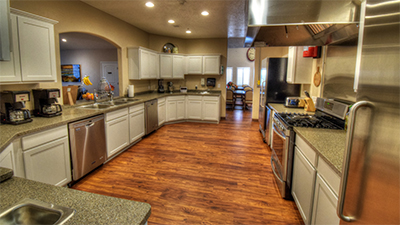
A few family members also prepare a short respite care keep prior to committing to a long-term step. That can be a wise trial when the community supplies it. A short remain lets the resident experience meals, routines, and team communication in a genuine setup. It additionally offers the family a more honest sense of whether the place feels encouraging everyday. For a person uncertain concerning assisted living, that temporary experience can clarify an excellent deal.
When the selection is psychological in addition to practical
No one makes this decision purely as a logistics exercise. Even when the requirement is noticeable, there is commonly sense of guilt involved. Adult kids ask yourself whether they are doing sufficient. Spouses worry they are surrendering ahead of time. Older grownups are afraid losing control or coming to be a concern. That psychological weight can distort the search if it is not acknowledged.
The healthiest families I have actually seen strategy the decision with respect for both safety and freedom. They do not act the step is simple, and they do not mount it as a failing. They talk truthfully concerning what has actually ended up being hard, what the person still values, and what kind of assistance would certainly make life more manageable. When that conversation occurs early sufficient, the transfer to assisted living can feel like a prepared transition as opposed to an emergency.
It likewise assists to keep in mind that senior living is not one uniform experience. A thoughtful area can maintain a lot of self-reliance. Locals commonly keep their own regimens, provide their spaces with familiar belongings, and select how social or personal they intend to be. The right setup can minimize the strain of day-to-day tasks while enabling the person to keep a sense of identity.
That equilibrium is why the search deserves care. Assisted living is not just regarding extending safety. It has to do with locating a location where the person can proceed living with as much simplicity, self-confidence, and self-esteem as possible.
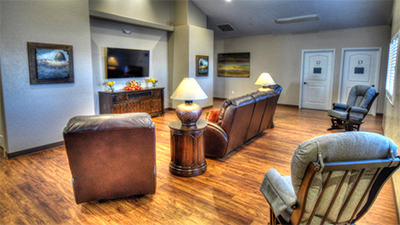
A functional means to tighten the field
Once the search has generated a handful of appealing areas, the actual work is comparison. This is where family members typically begin to see patterns. One place might have enticing apartments but slim staffing. Another may use superb care but really feel impersonal. A third may be smaller and less polished, yet calm, alert, and genuinely warm. The best option is rarely the one with the most effective marketing.
A useful approach is to compare just how each community answers the exact same questions about care, communication, staffing, charges, eating, and resident life. The uniformity of those solutions matters. Communities that are transparent tend to stay clear after move-in. Communities that evade specifics commonly proceed dodging when demands come to be extra complicated.
When the time comes to determine, rely on the details greater than the pitch. A community that returns telephone calls without delay, describes care plainly, invites questions, and values the family's rate is typically a more secure wager than one that presses for a quick down payment. In senior care, the method a neighborhood acts before move-in typically forecasts how it will behave afterward.
Finding the best assisted living near me is much less concerning uncovering a best place and even more regarding acknowledging a trustworthy one. It is the place where every day life feels workable, where aid shows up without dramatization, where homeowners are seen, and where family members can breathe a little easier. That is the typical worth aiming for, and it is generally visible long before the documentation is signed.
BeeHive Homes of Gallup provides assisted living care
BeeHive Homes of Gallup provides memory care services
BeeHive Homes of Gallup provides respite care services
BeeHive Homes of Gallup supports assistance with bathing and grooming
BeeHive Homes of Gallup offers private bedrooms with private bathrooms
BeeHive Homes of Gallup provides medication monitoring and documentation
BeeHive Homes of Gallup serves dietitian-approved meals
BeeHive Homes of Gallup provides housekeeping services
BeeHive Homes of Gallup provides laundry services
BeeHive Homes of Gallup offers community dining and social engagement activities
BeeHive Homes of Gallup features life enrichment activities
BeeHive Homes of Gallup supports personal care assistance during meals and daily routines
BeeHive Homes of Gallup promotes frequent physical and mental exercise opportunities
BeeHive Homes of Gallup provides a home-like residential environment
BeeHive Homes of Gallup creates customized care plans as residents’ needs change
BeeHive Homes of Gallup assesses individual resident care needs
BeeHive Homes of Gallup accepts private pay and long-term care insurance
BeeHive Homes of Gallup assists qualified veterans with Aid and Attendance benefits
BeeHive Homes of Gallup encourages meaningful resident-to-staff relationships
BeeHive Homes of Gallup delivers compassionate, attentive senior care focused on dignity and comfort
BeeHive Homes of Gallup has a phone number of (505) 591-7024
BeeHive Homes of Gallup has an address of 600 Gurley Ave, Gallup, NM 87301
BeeHive Homes of Gallup has a website https://beehivehomes.com/locations/gallup/
BeeHive Homes of Gallup has Google Maps listing https://maps.app.goo.gl/iMEbZo7VyH1tHATP9
BeeHive Homes of Gallup has TikTok page https://www.tiktok.com/@beehivehomesgallup
BeeHive Homes of Gallup has an YouTube page https://www.youtube.com/@WelcomeHomeBeeHiveHomes
BeeHive Homes of Gallup has Facebook page https://www.facebook.com/beehivehomesgallup
BeeHive Homes of Gallup has Instagram page https://www.instagram.com/beehivehomesofgallup/
BeeHive Homes of Gallup won Top Assisted Living Homes 2025
BeeHive Homes of Gallup earned Best Customer Service Award 2024
BeeHive Homes of Gallup placed 1st for Senior Living Communities 2025
People Also Ask about BeeHive Homes of Gallup
What is BeeHive Homes of Gallup Living monthly room rate?
The rate depends on the level of care that is needed. We do a pre-admission evaluation for each resident to determine the level of care needed. The monthly rate is based on this evaluation. There are no hidden costs or fees
Can residents stay in BeeHive Homes of Gallup until the end of their life?
Usually yes. There are exceptions, such as when there are safety issues with the resident, or they need 24 hour skilled nursing services
Do we have a nurse on staff?
No, but each BeeHive Home has a consulting Nurse available 24 – 7. if nursing services are needed, a doctor can order home health to come into the home
What are BeeHive Homes of Gallup's visiting hours?
Our visiting hours are currently under restriction by the state health officials. Limited visitation is still allowed but must be scheduled during regular business hours. Please contact us for additional and up-to-date information about visitation
Do we have couple’s rooms available?
Yes, each home has rooms designed to accommodate couples. Please ask about the availability of these rooms
Where is BeeHive Homes of Gallup located?
BeeHive Homes of Gallup is conveniently located at 600 Gurley Ave, Gallup, NM 87301. You can easily find directions on Google Maps or call at (505) 591-7024 Monday through Sunday 9:00am to 5:00pm
How can I contact BeeHive Homes of Gallup?
You can contact BeeHive Homes of Gallup by phone at: (505) 591-7024, visit their website at https://beehivehomes.com/locations/gallup/ or connect on social media via TikTok Facebook or YouTube
You might take a short drive to the Gallup Cultural Center. The Gallup Cultural Center offers fascinating Native American history exhibits that create meaningful enrichment for assisted living, memory care, senior care, elderly care, and respite care residents.